Grammaropolis
The Writing Company · with the Mayor

Write a Story

1 Learn Start here
2 Assess Take the quiz
3 Practice Try it out
4 Create Make your own
Certified Earn your badge

Write a Story

You know some moves. Now you get to tell a whole story, all your own.

Every story you love has the same parts inside. Here they are.

  1. A who
    Somebody is in this story. Most of the time, it is you! Tell the reader who.
  2. A where or a when
    Tell the reader where you were, or when it was. "In the kitchen" puts the reader right there.
  3. Something that happens
    Something happens in the middle. Maybe something spills! That part is the story.
  4. An end
    The story stops at a good spot, not in the middle.
  5. A feeling
    How did it feel? Tell the reader, or better, show them.
Spend your tools

You have craft moves too. Here they are, small and mighty.

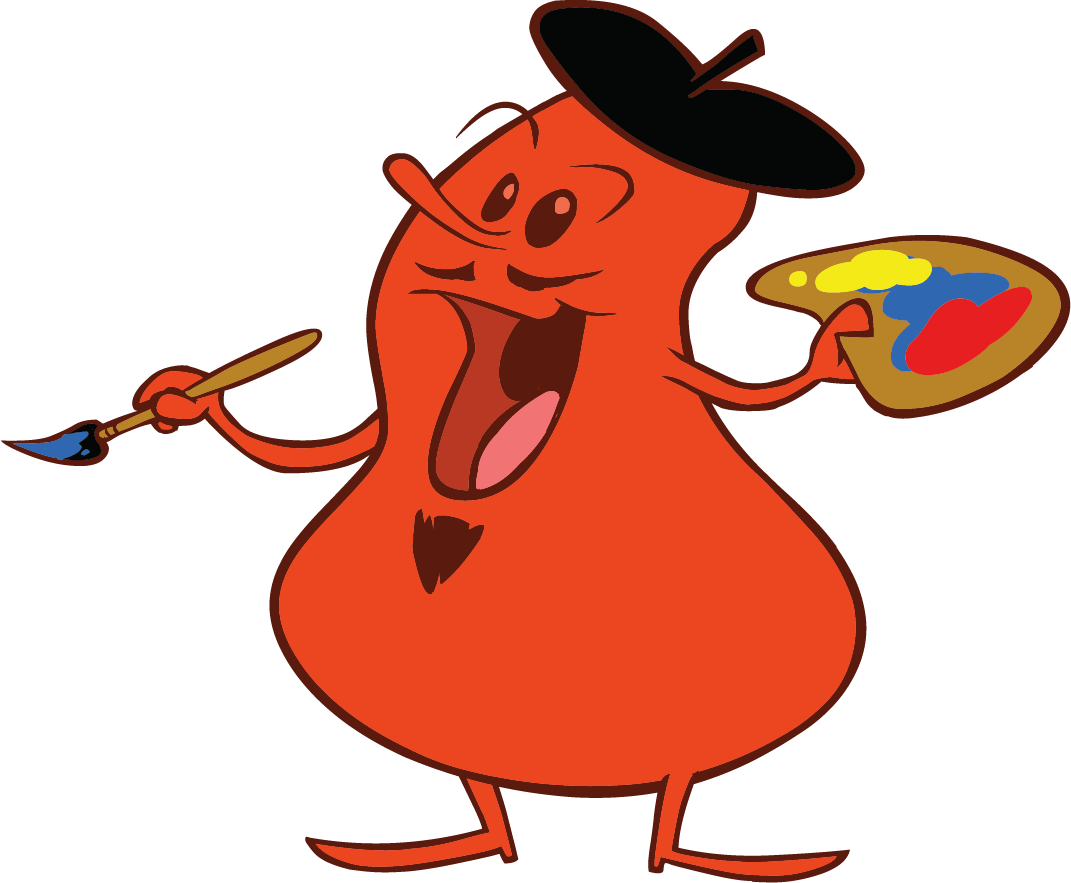
Nelson portrait

Nelson · Specific nouns

A noun names a person, a place, a thing, or an idea. "Food" is fuzzy. "Cereal" is the real thing. Name the real thing.

I made some food. I made a bowl of cereal.

Vinny portrait

Vinny · Strong verbs

Some verbs sit still. Action verbs move! "Went" sits. "Raced" zooms. Pick the verb that moves.

I went to the kitchen. I raced to the kitchen.

Jake portrait

Jake · Show, do not tell

Could we be more specific? Do not tell me you were happy. Show me the big smile, and I will feel it too.

I was happy. I smiled so big my cheeks hurt.

Connie portrait

Connie · Long and short sentences

A short sentence is quick. A long sentence takes its time. Try one of each, and let them take turns.

I got up and I got the bowl and I got the milk and I ate. I got up. Then I got the bowl, the milk, and my spoon.

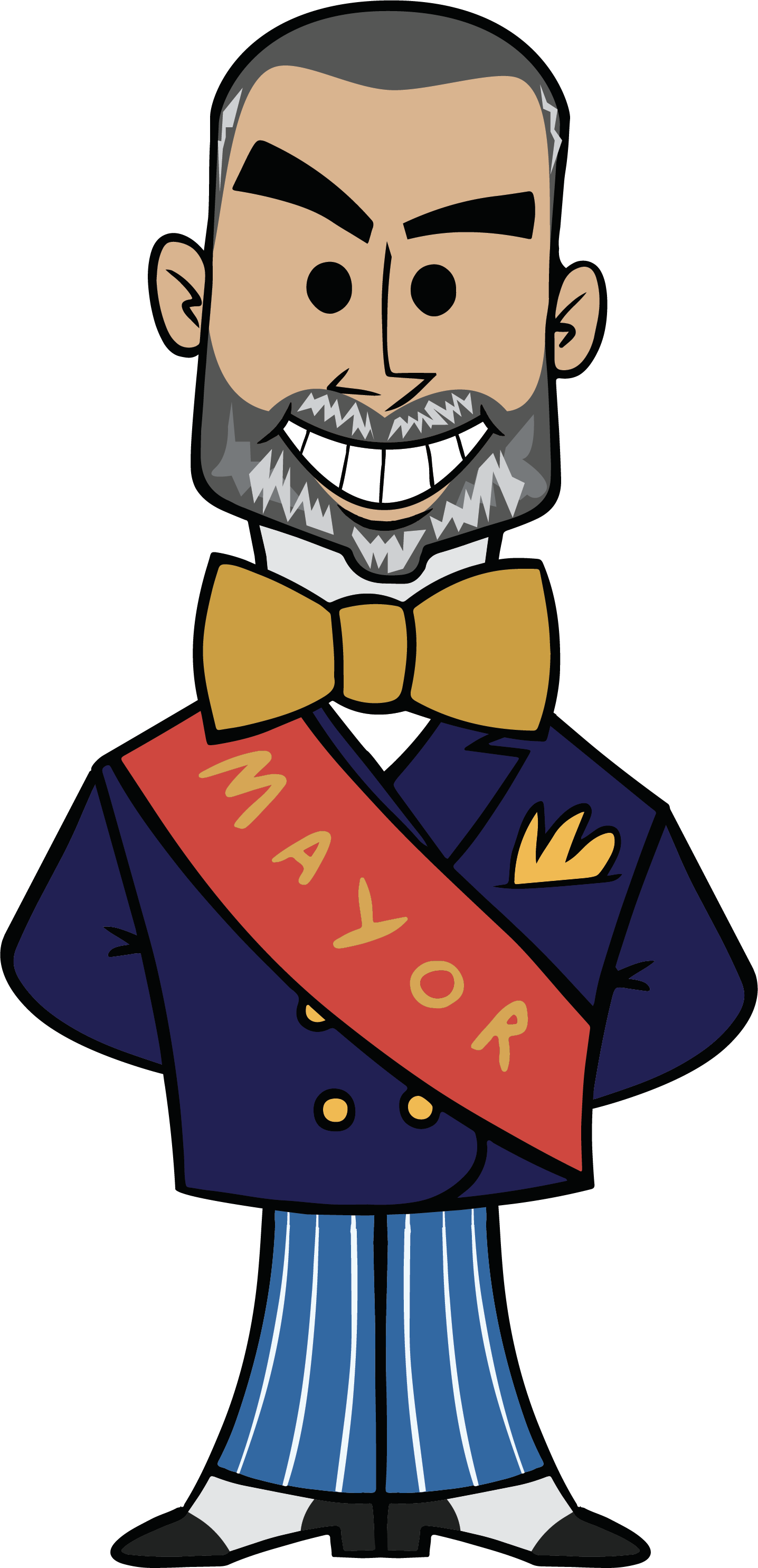
The Mayor portrait

The Mayor · Voice

I talk one way, and my friend Slang talks another. Both are real voices. Use the voice that fits your reader.

Dear reader, I shall now tell of my breakfast. Guess what I made this morning!

The Mayor portrait

The Mayor · Beginning, middle, and end

Every story has three parts. The beginning opens the door. The middle is where something happens. The end tells how it felt.

Things happened, all mixed up. I wanted breakfast. The milk splashed. I felt proud.

The Story Plan

In the Writing Company, we plan before we write. Watch me plan a story.

The Mayor's Power Plan

  • Pick it. Choose the idea you like best.
  • Plan it. Answer the questions before you write.
  • Pour it on. Write, and add what only you know.

The Seven Story Questions

Answer all seven. Little answers are fine.

  1. Who is the main character?
  2. When does the story take place?
  3. Where does the story take place?
  4. What does the main character do or want to do?
  5. What happens when they try to do it?
  6. How does the story end?
  7. How does the main character feel?

Say them out loud with a grown-up. Who, when, where. What, what happens. How it ends, how it feels.

Watch the Mayor plan it

Watch me plan a story with a writer your age. The story: the morning they made their own bowl of cereal.

Pick it. The brainstorm found lots of by-myself moments. I pick the cereal morning. Something splashed, and it ended proud. Stories live in moments like that.

Plan it.

  • Who? Me, all by myself.
  • When? In the morning, before school.
  • Where? In the kitchen.
  • What do I want to do? Make my own breakfast for the first time.
  • What happens when I try? I pour the milk too fast, and it splashes.
  • How does it end? I wipe it up, and I eat every bite.
  • How do I feel? So proud.

Pour it on. Seven little answers, and the story is packed. Now I write just three sentences. A beginning that tells who. A middle where something happens. An end that tells the feeling. Question five is the best part. A story needs a little trouble.

Eight ways to prewrite

Writers use planning tools. Here are three, used on the cereal morning. Open a card.

Brainstorm If you think it, write it down.

Made my own cereal. Tied my shoes. Fed the cat by myself. Zipped my coat. Made my bed.

What it gave us. A brainstorm finds lots of ideas fast. This writer found five by-myself moments, not just one.

Series of Events What happened, in order. The story tool.

First I got a bowl. Then I poured the cereal. Then I poured the milk too fast. It splashed. I wiped it up. I ate every bite.

What it gave us. The events go in order, first to last. Order is the bones of a story.

Five Senses See, hear, taste, smell, touch. The tool for details.

See: white milk on the counter. Hear: the cereal crunch. Taste: sweet and cold. Smell: my breakfast. Touch: the wet paper towel.

What it gave us. The senses find the real details, like the crunch and the cold milk.

Pick the tool that helps you. Even one tool can crack a story open.