
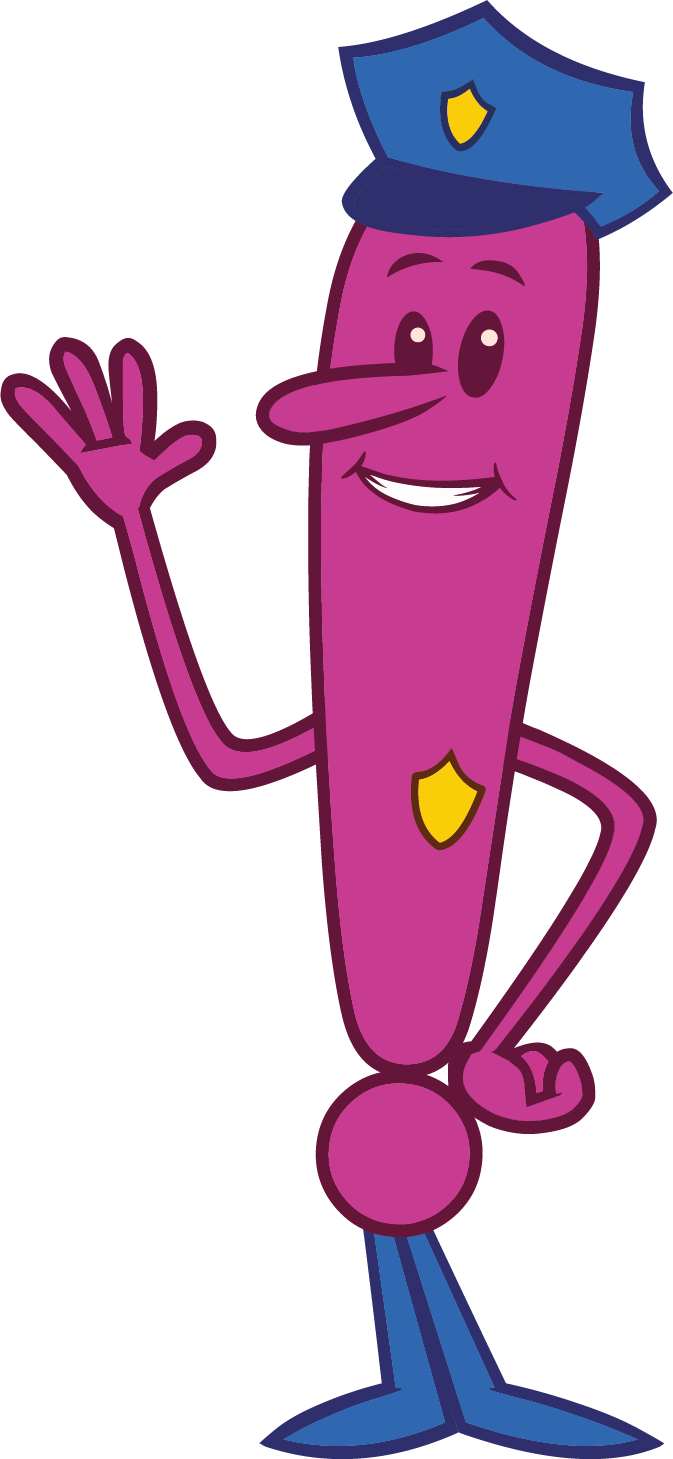
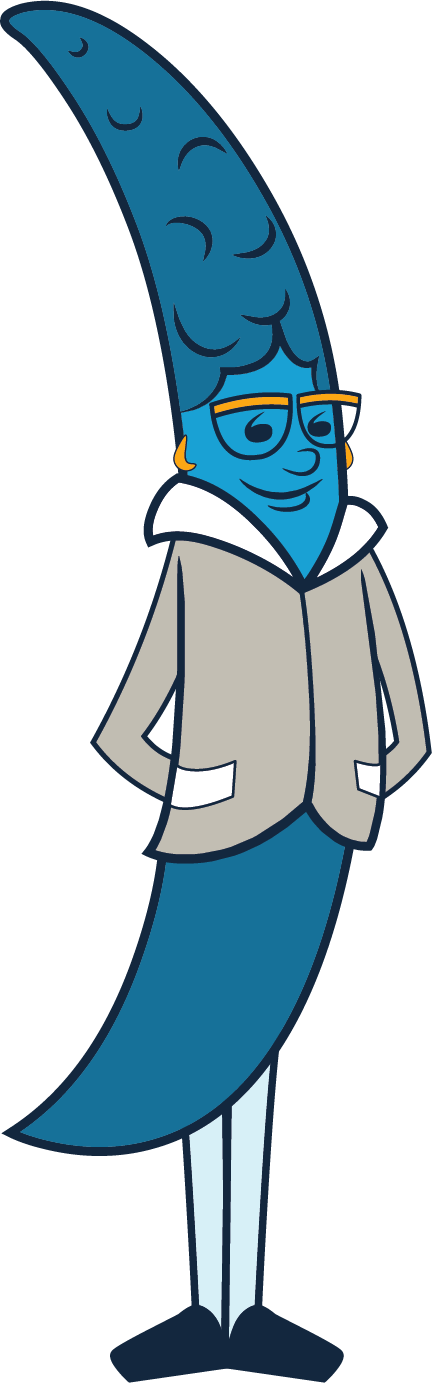
Chief Comma
Chief Comma handles series commas, comma before FANBOYS, introductory phrases and clauses, nonessential phrases and clauses, appositives.
Parents: find your child's starting point. It's about ten quick questions, free, and no account needed.
Teachers: see the classroom route. It's free, rostering is included, and it's standards-aligned across four frameworks.
"Chief Comma rules."
No score, no sign-in. Tap to answer, then see the standard it hits. Change the grade above to watch the same idea deepen.
A sentence comes in missing the mark inside it. Read the scene, then place the right comma, apostrophe, quotation marks, semicolon, or colon.
Mark Patrol →Chief Comma handles series commas, comma before FANBOYS, introductory phrases and clauses, nonessential phrases and clauses, appositives.
Chief Comma teaches the same idea across every grade, starting simple and going deep. Here is the whole concept: what it does, the jobs and kinds it splits into, the mistakes to watch for, and a worked example for each.
Chief Comma runs the pauses inside a sentence. She separates a list (red, white, and blue), sets off an aside, and teams with a FANBOYS conjunction to join two thoughts (the dog barked, and the cat ran). Push the break harder and the job passes to Sheriff Semicolon; Chief Comma keeps the lighter pauses that make a sentence readable.
Meet Sheriff Semicolon and Connie.
Use commas to separate items in a series (3+ items). Include the Oxford comma before the final 'and' or 'or'.
- "Europa, Io, and Calisto are all moons orbiting Jupiter."
- "Jhumpa's room is huge, dark, and scary."
- "Summer camp is for making crafts, practicing archery, and meeting new friends."
- Missing comma in a series
- Forgetting the Oxford comma
- Comma splice (using comma instead of proper conjunction)
Use a comma before FANBOYS (For, And, Nor, But, Or, Yet, So) when they join two independent clauses.
- "The birds were chirping, and the sun was shining, but Jerome was still not happy."
- "I wanted to go to the party, but I had too much homework."
- "You can have coffee, or you can have tea."
- Comma splice - using comma without conjunction
- Using comma with subordinating conjunctions instead
- Comma before FANBOYS when one clause is dependent
Use commas around extra information that could be removed without changing the sentence's basic meaning.
- "Smiling as though she could read my mind, my teacher handed me a detention slip."
- "The tomatoes, planted at the perfect time of year, tasted wonderful."
- "My best friend, who lives downtown, is visiting tomorrow."
- Missing commas around nonessential information
- Using commas around essential information (too many)
- Only one comma when two are needed
Use commas to enclose appositives (a noun or noun phrase that renames another noun).
- "Steve, an accountant, came over to our house for lunch."
- "The bird, a condor, soared over the mountains."
- "My teacher, Mr. Rodriguez, is very strict."
- Missing comma before appositive
- Missing comma after appositive
- Both commas missing
Use commas to enclose parenthetical expressions (interrupting thoughts or clarifications).
- "The Romans, for example, used aqueducts to direct water to their cities."
- "People who live in New Mexico, of course, are called New Mexicans."
- "Grammar, believe it or not, is actually fun."
- Missing first comma before parenthetical phrase
- Missing second comma after parenthetical phrase
- Using parentheses instead of commas inappropriately
Why families and teachers trust Grammaropolis.
"Learning grammar has never been more fun!"
"Like Grammar Rock and the Mr. Men books had an adorable love child."
"My students even asked if they can get extra credit for making up a dance or new lyrics to the songs."
"After using it last year, my kids really got it!"
When a child finishes a cycle, the Mayor signs a certificate naming exactly what they learned. Proof of learning, not a score, and standards-aligned across Common Core, Texas, Florida, and New York.
Wherever Grammaropolis lives.
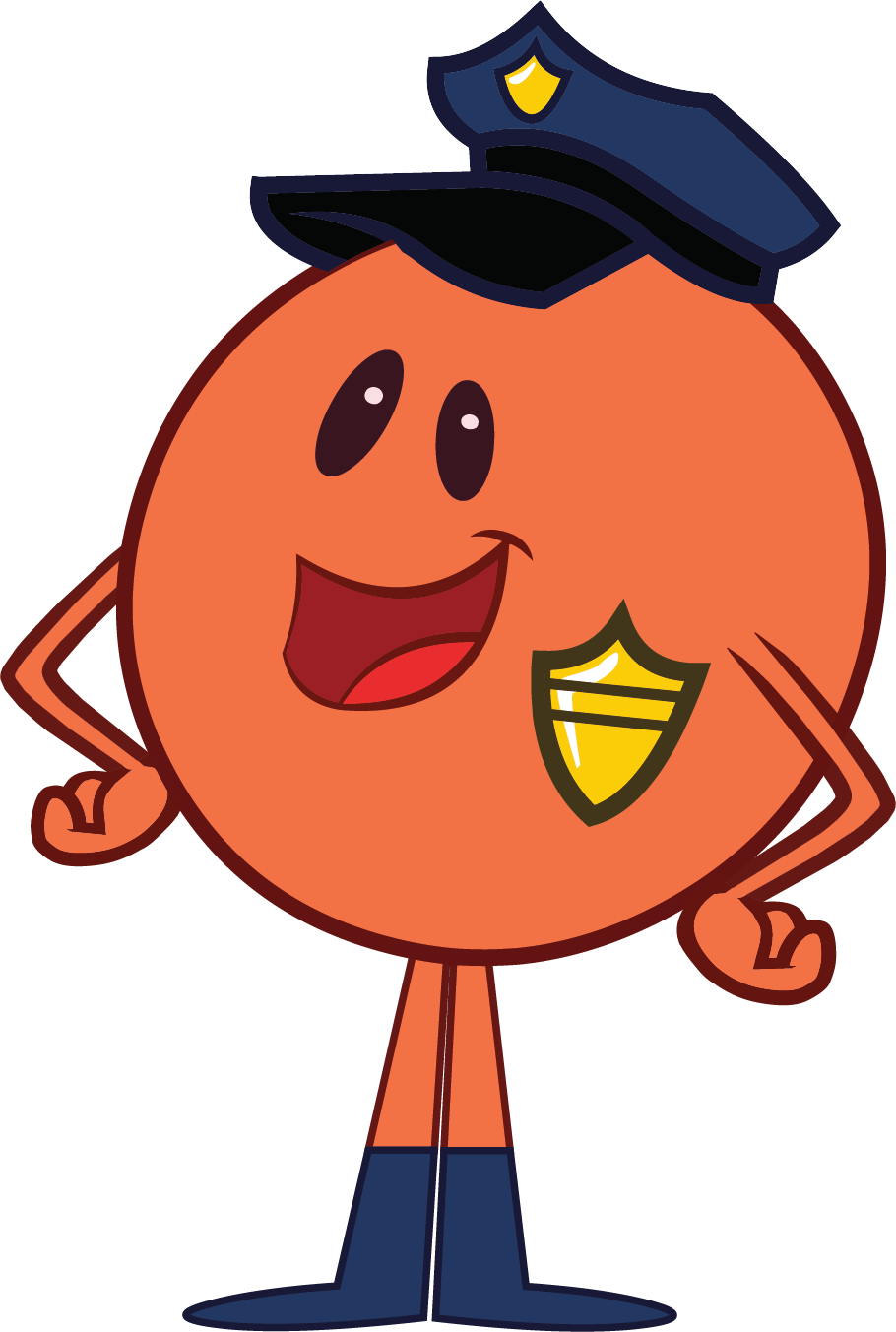


Chief Comma has a song.
“Cut the Drama, and Use a Comma”